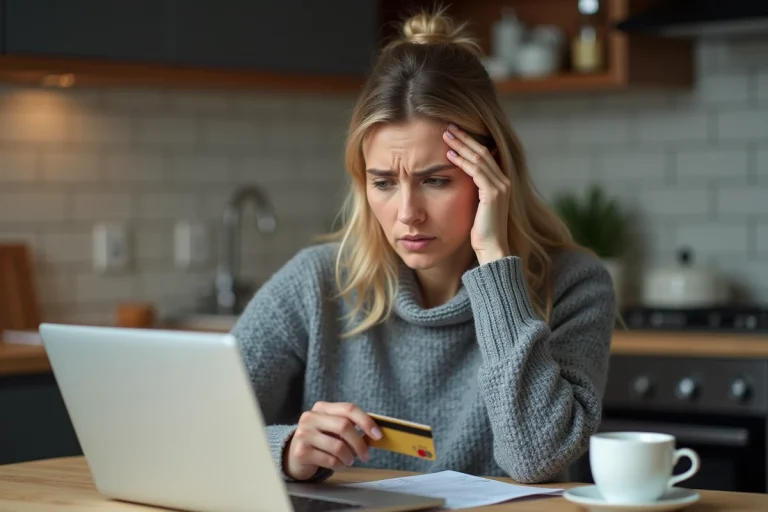
BlaBlaCar handles almost all of its transactions digitally. Credit card, transfer via the integrated wallet: the passenger pays online, the platform takes its commission, and the driver receives their due after the trip. In this closed circuit, cash has no designated place. However, the question of cash payment regularly arises, brought up by users who do not have a credit card or who prefer direct contact.
Payment outside the BlaBlaCar platform: the gray area of carpooling
The standard operation of BlaBlaCar is based on a simple principle: the passenger books online, pays through the platform, and the driver receives the amount (minus the commission) once the trip is completed. This circuit guarantees complete traceability of the transaction.
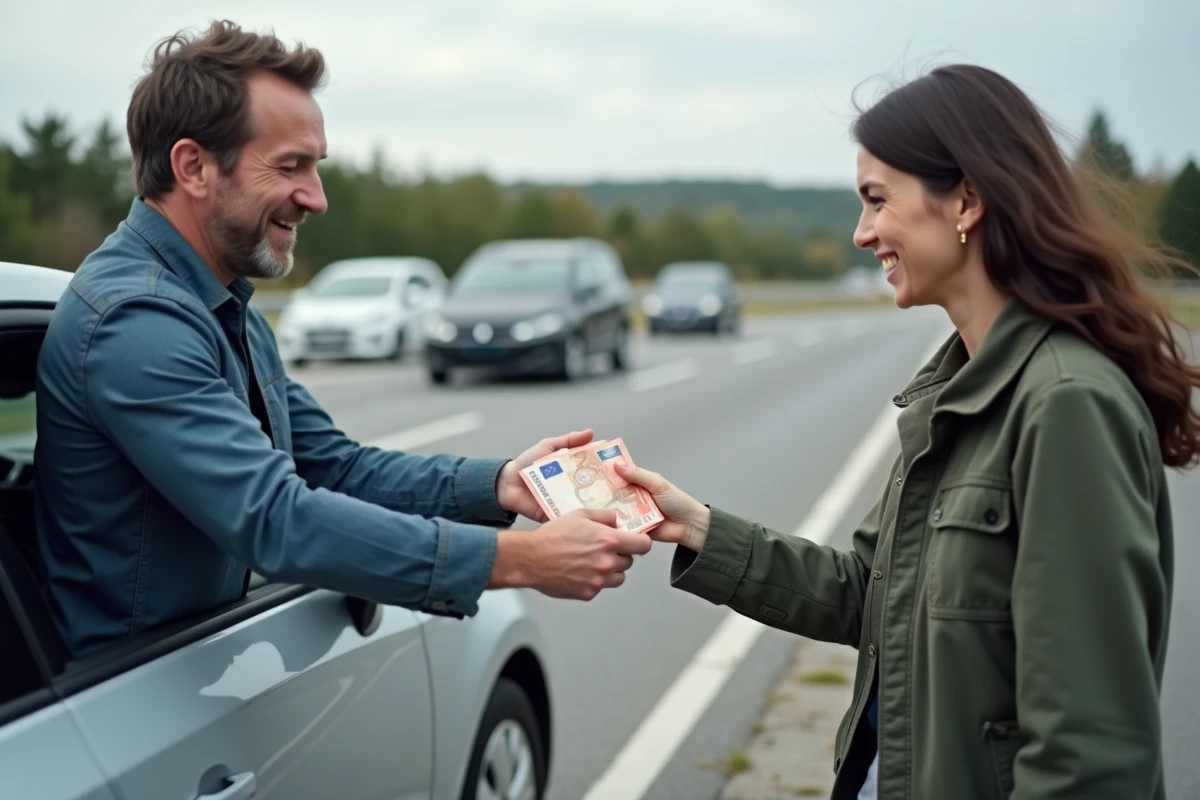
Paying in cash means stepping outside this circuit. Specifically, this involves contacting the driver before departure, agreeing on an amount, and paying directly at the time of carpooling. The platform then does not intervene in either the collection or the follow-up. Several sources indicate that this practice exists, that it is sometimes tolerated, but that it does not go through the official booking system.
The difficulty lies in the blurry boundary between “technically possible” and “allowed by the terms of use.” Competitors on this issue do not really clarify this point. The available data do not allow us to conclude that BlaBlaCar explicitly prohibits cash payments between individuals, but the platform does not facilitate it either. For those looking to understand how to pay BlaBlaCar in cash, the short answer is that it is done outside the framework provided by the app.
Concrete risks of a BlaBlaCar trip paid in cash
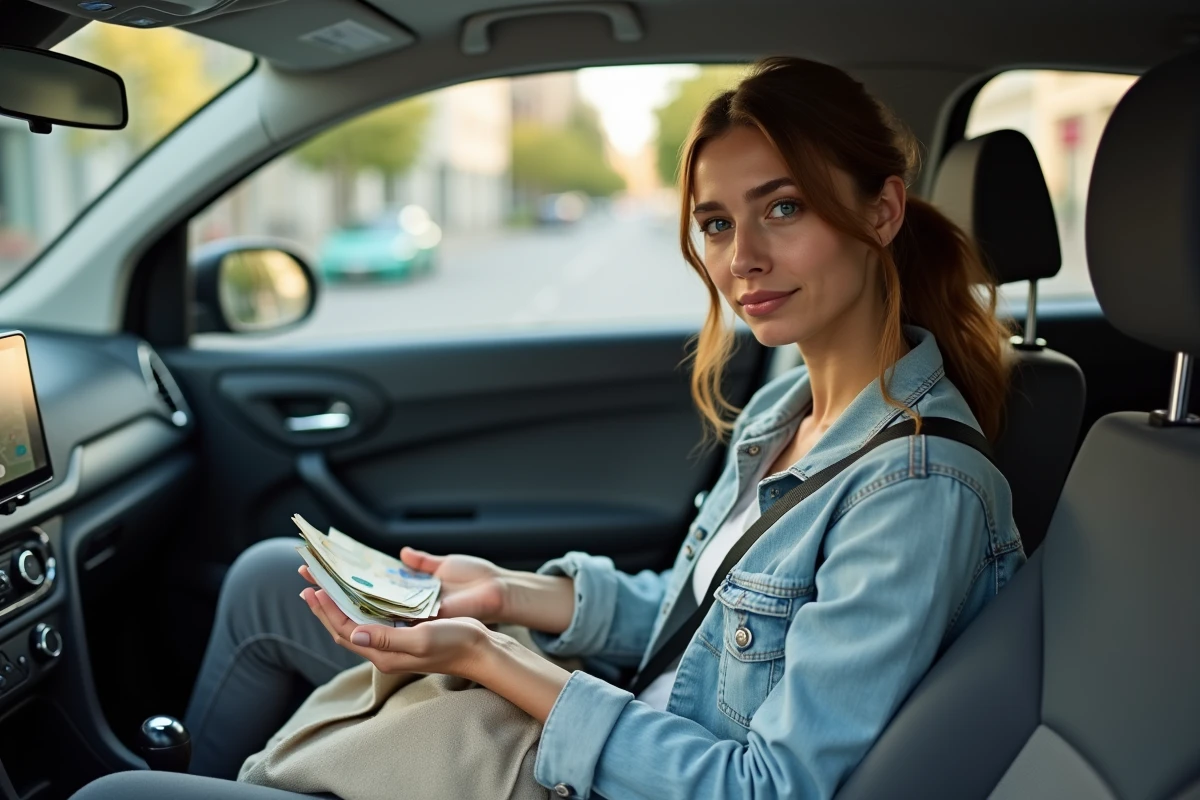
Stepping outside the platform has direct consequences on the protection of the passenger and the driver. This is not an administrative detail: it is the very architecture of trust between strangers that disappears.
- No recourse in case of cancellation. If the driver cancels at the last minute or does not show up, the passenger who has already handed over cash has no mechanism for reimbursement via BlaBlaCar.
- No usable proof of payment. In case of disagreement over the amount paid, neither the driver nor the passenger has a digital record. It’s one person’s word against the other’s.
- Loss of guarantees related to the profile. Reviews, the rating system, mediation in case of disputes: all of this works because the transaction is recorded. A trip paid in cash escapes this safety net.
- Risk of price increase. Without the pricing framework set during the online booking, nothing prevents a driver from asking for an extra fee at the time of departure.
The main trap is not legal; it is practical. A cash payment removes any possible mediation between the two parties. For a one-off trip between acquaintances, the risk remains limited. For a carpooling trip with a stranger found on the platform, the exposure is real.
BlaBlaCar driver and cash: why some still accept it
On the drivers’ side, motivations vary. Some publish trips without going through the paid booking system, especially for short home-to-work trips. In this case, exchanging cash at the time of departure remains the most direct method.
Other drivers see it as a way to avoid the commission charged by the platform. Direct payment allows them to keep the entire agreed amount, which can represent a significant difference on regular trips. This logic is understandable, but it poses a symmetry problem: the passenger loses their guarantees while the driver optimizes their income.
Field feedback varies on this point. Some drivers consider cash to be a sensible arrangement between adults. Others refuse categorically, precisely because they value the protection offered by online payment. The platform, for its part, clearly pushes towards digital, if only because its business model relies on the commission taken from each recorded transaction.
Alternatives to cash payment on BlaBlaCar
For a passenger without a credit card, the issue is not wanting to pay in cash as a principle; it is often the perceived lack of alternatives. A few options deserve to be explored.
Prepaid credit cards, available at tobacco shops, allow you to load a fixed amount and use it for an online booking. They do not require a traditional bank account and are accepted by the platform as a payment method.
The BlaBlaCar wallet is another option. A passenger who has accumulated a balance (for example, as a driver on other trips) can use it to pay for their bookings without going through a card.
Some neobanks offer free virtual cards, usable immediately after registration. The time between opening the account and being able to book a carpool trip is counted in minutes, not days.
Paying cash for a BlaBlaCar trip remains a marginal practice, neither outright banned nor encouraged. The platform has not designed its system to accommodate cash, and every transaction outside the digital circuit removes a layer of protection for both parties. For a regular passenger, investing a few minutes in obtaining a prepaid card or a compatible account avoids many complications when a trip goes wrong.