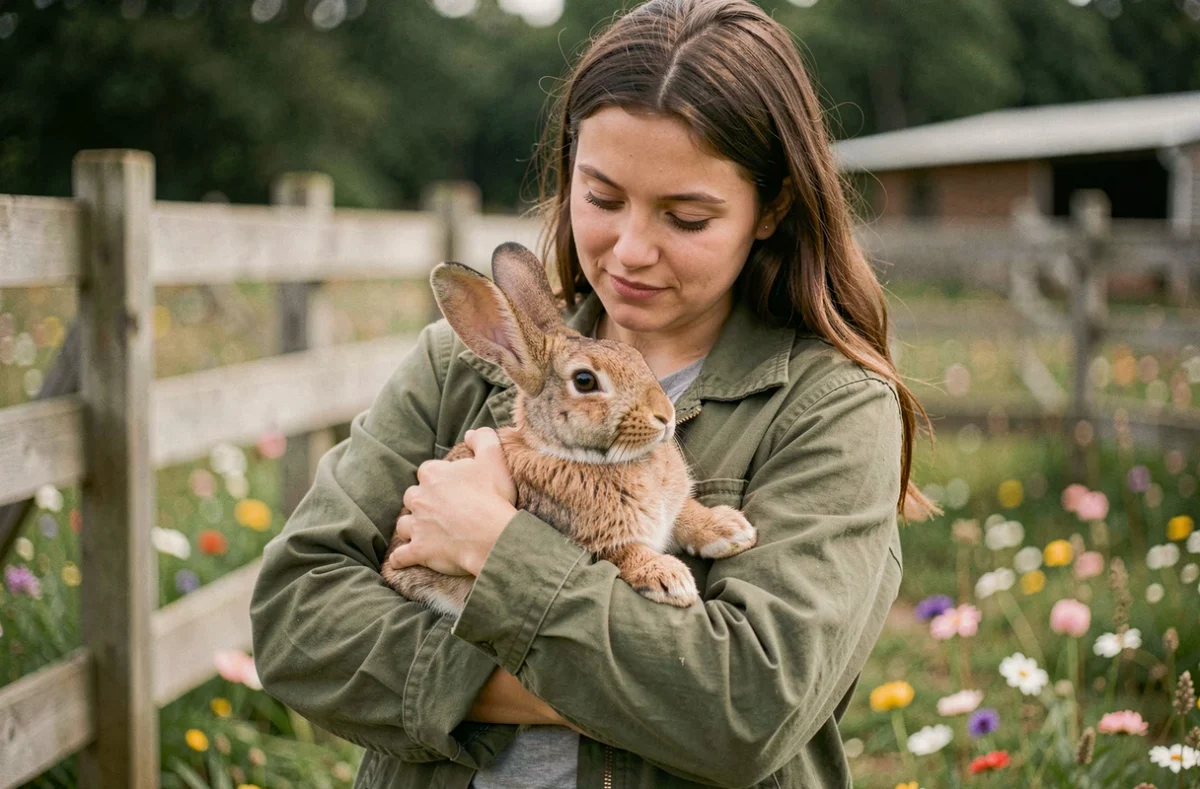
Every year in France, hundreds of thousands of animals are taken in by associative structures. Behind the calls for donations and adoption campaigns, animal liberation and animal rights raise much broader questions: breeding conditions, legal rights, access to veterinary care for the most disadvantaged. Understanding these issues means going beyond mere emotion to address a subject that is both ethical, political, and practical.
Saturation of shelters: the structural causes that adoption does not solve
Have you ever seen adoption calls on social media? These messages are useful, but they mask a deeper problem. French shelters are currently operating at the limit of their capacities, and volunteering alone is no longer enough to absorb the flow of abandoned animals.
The gap between the demand for care and the actual reception capacities continues to widen. Shelters rely almost entirely on the associative sector, with public funding being largely insufficient.
The profiles of animals differ by species. The dogs taken in are mostly adult animals abandoned by their owners, with a disproportionate number of molossoids and malinois. Cats, on the other hand, mostly arrive due to straying and unwanted litters. Spaying and neutering cats remains the most effective lever to reduce this pressure, but it is still insufficiently practiced due to lack of access to veterinary care for the most modest households.
Exploring all the content from Animal Liberation helps to better understand the extent of these issues, from the condition of companion animals to that of farm animals.
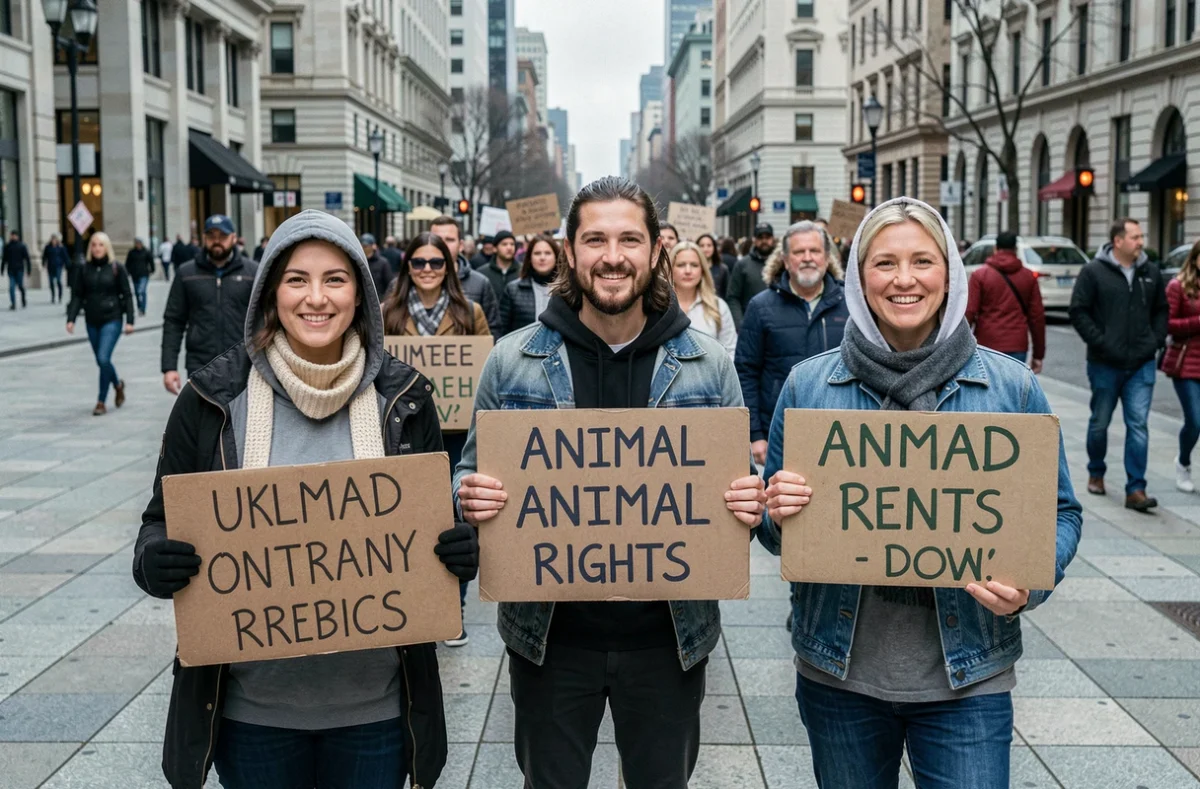
Animal liberation and ethics: from Peter Singer to contemporary movements
The term “animal liberation” comes from a specific work. In 1975, philosopher Peter Singer published a book of the same name, which founded a new branch of moral philosophy: animal ethics. His central argument does not rest on the notion of rights, but on the capacity of animals to suffer.
Singer proposes a simple principle: if a being can feel pain, its interests deserve to be taken into account, regardless of its species. This idea has led thousands of readers to change their eating habits, become vegetarians or vegans, and advocate against factory farming and animal experimentation.
From the book to the activist movement
Forty years later, the animal liberation movement has largely surpassed the academic framework. Associations like L214 in France conduct investigations in slaughterhouses and farms. Veganism has shifted from a marginal stance to a visible social phenomenon.
Sociology is also interested in it. The book “Sociology of the Animal Cause,” co-authored by researchers like Fabien Carrié, Antoine Doré, and Jérôme Michalon, analyzes the links between these movements and public policies, economic markets, and the academic world. The defense of animals is no longer limited to individual commitment: it questions the structures of production and consumption.
Animal rights: what the French legal framework says
Under French law, animals have been recognized as “living beings endowed with sensitivity” since 2015. Before that, the Civil Code classified them as movable property. This change in status has strong symbolic significance, but its concrete effects remain limited.
Animal abuse is punishable by law, with penalties strengthened in recent years. Pet owners must comply with specific obligations:
- Ensure the absence of hunger, thirst, fear, and physical stress, in accordance with the five fundamental freedoms defined by the World Organisation for Animal Health.
- Provide an appropriate environment that allows for the expression of normal species behavior.
- Ensure health monitoring and the absence of pain or disease.
The Animal Rights Foundation has drafted a Declaration of Animal Rights, revised in 2018. This text has no binding legal value, but its articles have been formulated to be transposed into law. The goal is to evolve the law beyond mere protection, towards a broader recognition of animal interests.

Taking concrete action for animal defense on a daily basis
Moving from theory to action does not necessarily require militant commitment. Some concrete choices already modify the individual impact on animal life.
Reduce consumption of products from intensive farming
Intensive farming concentrates the majority of criticisms from animal liberation movements. Reducing meat consumption, favoring supply chains where breeding conditions are controlled, or adopting a plant-based diet: every step counts. Food choices remain the most direct lever of action for an individual.
Support shelters in ways other than adoption
Adopting an animal is not always possible. Shelters also need material donations (blankets, food), volunteers for walks, and especially regular funding to cover veterinary expenses. Some structures also take in farm animals, often overlooked in traditional campaigns.
- Participating in spaying campaigns, especially for stray cats, reduces pressure on shelters at the source.
- Reporting cases of abuse to the relevant authorities helps enforce the law.
- Being informed about the conditions of animal captivity in shows or parks allows for informed choices as a consumer.
The defense of animals progresses when it combines legal pressure, evolution of individual practices, and structural funding for field actors. Saturated shelters, unwanted litters, access to veterinary care for disadvantaged households: these problems call for collective responses, not just goodwill.