On a a rainy Saturday morning, two children running in circles and a search engine returning the same amusement parks for every query. We all know this situation. Finding activities for children that stand out, suitable for their age and accessible without crossing half the country, requires a bit of method.
The most successful family outings are not necessarily the most spectacular, but those that take into account the children’s pace, the budget, and what actually exists nearby.
Nature outings and educational farms: what works by age
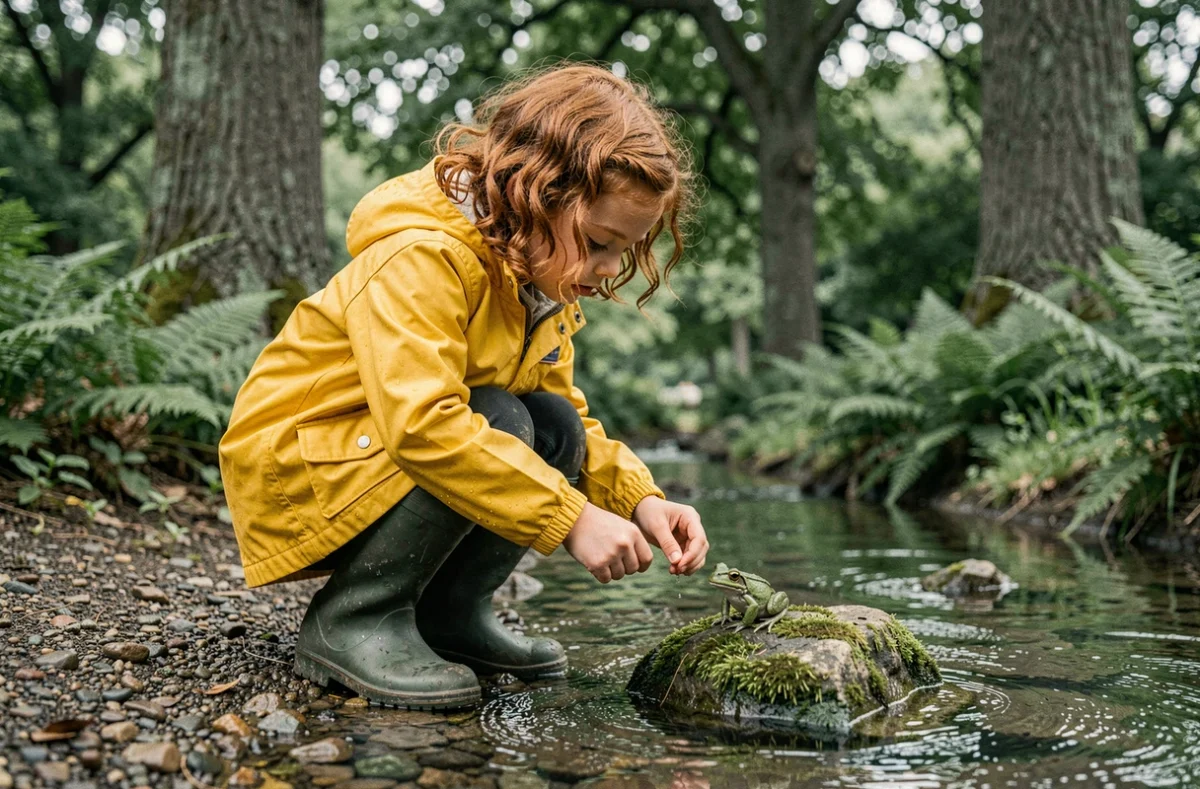
Before booking anything, it saves time to reason by age group. A three-year-old does not derive the same pleasure from a hike as a nine-year-old. Educational farms remain a safe bet for the youngest: direct contact with animals, short workshops, no need to walk long distances.
For older children, adventure courses designed to be enjoyed as a family change the game. Several leisure sites in France are investing in 2026 in packages combining exploration, scientific discovery, and play. The Volc’Enfant festival at the Panoramique des Dômes or the “Préhisto Ice” workshop at Dino-Zoo are concrete examples, where children manipulate, climb, or solve puzzles rather than just watching.
You can also look for geolocated children’s outing ideas on capmomes.fr, which lists activities by geographical area and age, avoiding the need to sift through endless lists without relevant filters.
Interactive heritage visits for children: beyond the classic guided tour
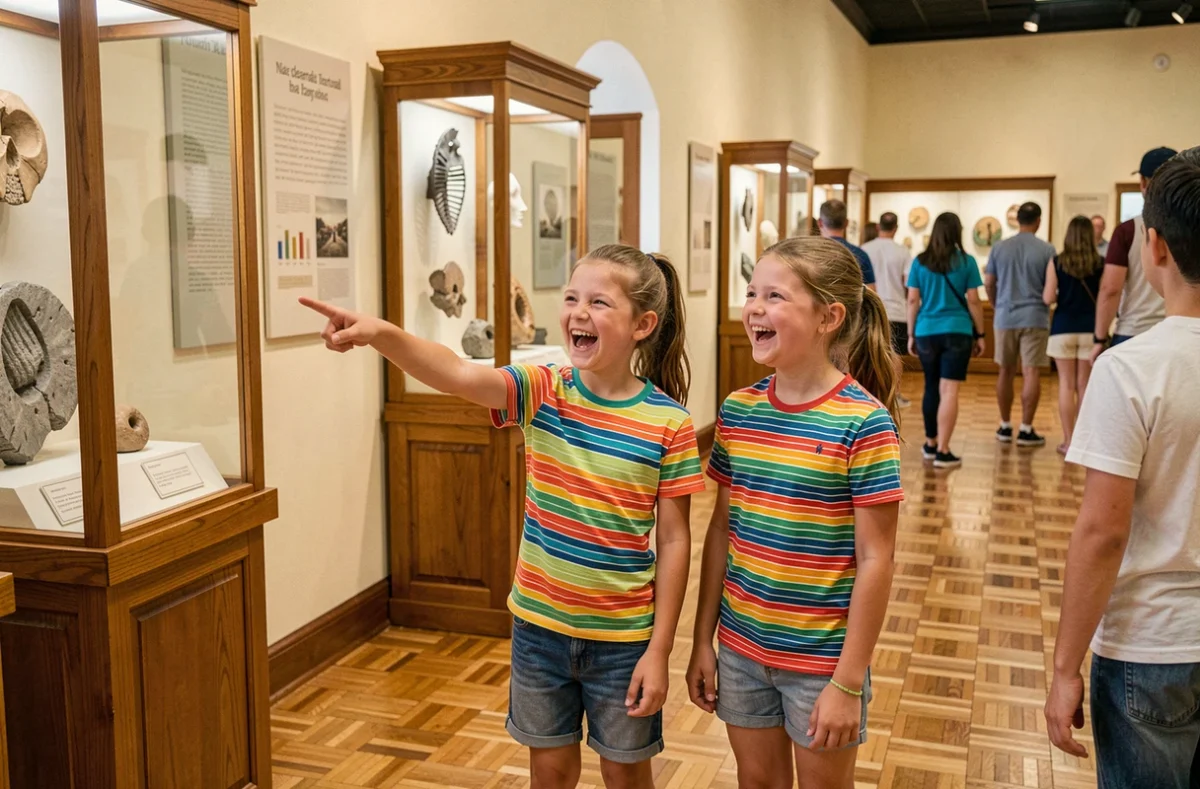
Cultural outings with family have long been synonymous with “don’t touch anything.” That era is fading. The Ministry of Culture has directed the European Heritage Days towards more interactive formats for families and young audiences. We’re talking about game trails, investigation booklets, theatrical visits in castles or museums.
This type of visit works because it gives the child an active role. Instead of following a guide for an hour, they search for clues, fill out a notebook, identify coats of arms. Heritage becomes a playground, and the castle or archaeological site takes on a concrete dimension.
To spot these formats, feedback varies by region: some tourist offices highlight them, others do not. The most reliable reflex remains to check directly on the website of the targeted monument or museum if a family trail is offered, especially during school holidays or national events.
What distinguishes a good family visit from a renamed classic visit
- A dedicated trail with a physical support (booklet, map, badge) that the child keeps, not just a simple “child version” audio guide
- An appropriate duration, generally less than an hour and a half, with integrated breaks along the way
- Facilitators trained for young audiences, capable of adapting their discourse to a group that mixes children aged five to ten
Inclusive family activities: an offer that is becoming structured
We don’t always think about it when planning an outing, but the accessibility of family activities is progressing significantly. In 2026, programs are no longer limited to just reduced mobility. Parasport activities open to children with and without disabilities are supervised by specialized clubs, with the idea that the outing is shared rather than separated.
In Paris, the event “Paris bouge ensemble,” organized on September 25 and 26, 2026, illustrates this approach. Parasport activities are offered for everyone, without distinction. This type of initiative changes the dynamics of a family outing when one of the children has specific needs.
Specifically, before choosing a theme park or workshop, you can check a few points that make a difference:
- The presence of a label or mention of accessibility on the site (Tourism and Disability, for example)
- The possibility of contacting the organizer in advance to indicate a specific need without going through a generic form
- The existence of dedicated times or slots in small groups, less noisy and less crowded
Creative and scientific workshops: formats that capture attention
Workshops for children offered in libraries, museums, or local associations represent a source of outings often underestimated. We spontaneously think of amusement parks, but a well-designed two-hour workshop leaves a greater impression than an entire day in the crowd.
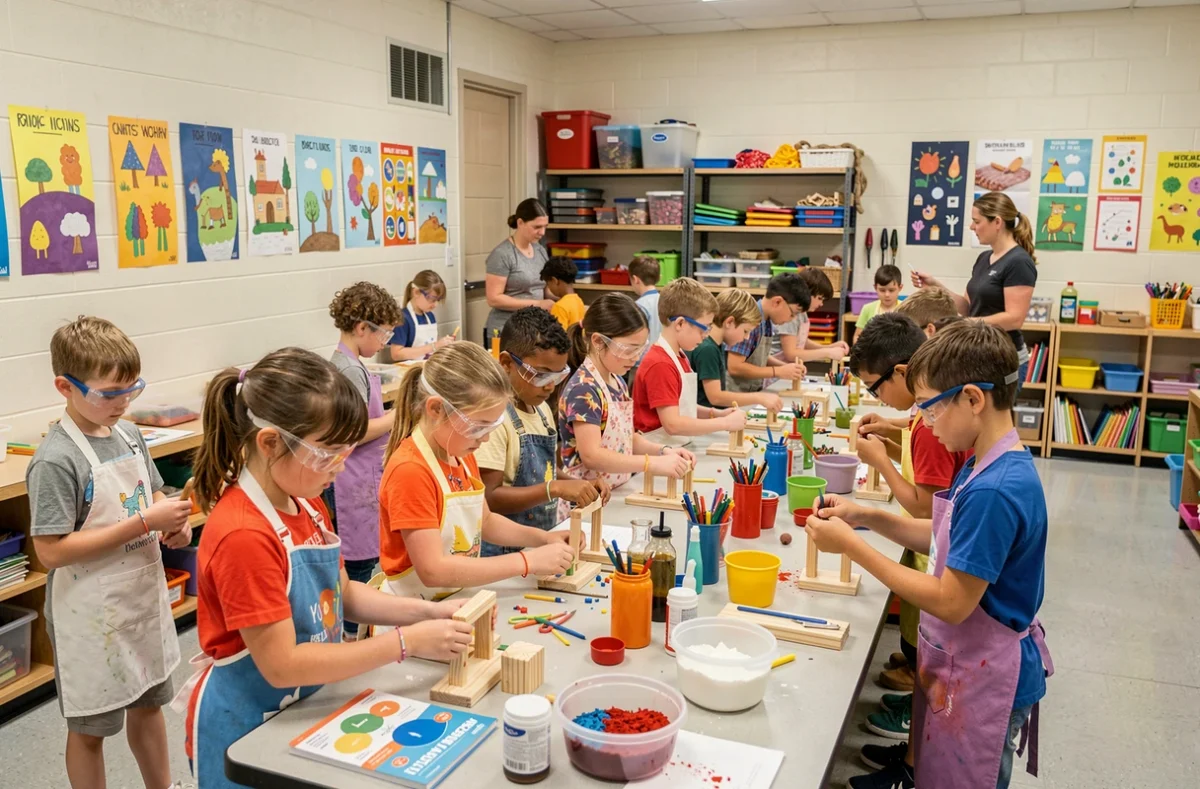
Leisure and cultural sites are investing in 2026 in educational and participatory experiences. The idea is no longer to show something to the child, but to have them produce a result: fossil molding, building an electric circuit, making natural pigments. The short format (one to two hours) is well-suited for families with several children of different ages.
Finding children’s workshops near you
Local tourist office websites and municipal cultural agendas are the most reliable sources. The social media of libraries and community centers also publish their programs, often a few weeks before the holidays. Checking the indicated age group remains the first useful reflex: a workshop “for ages 6 and up” will be frustrating for a four-year-old, even if accompanied.
Planning family outings increasingly involves digital tools, including artificial intelligence for some parents. The budget remains a central criterion in the final choice. Prioritizing free or low-cost activities (municipal educational farms, nature outings supervised by associations, visits during open house days) allows for multiple outings without financial pressure.
The best ideas for children’s activities do not always come from a search engine. They often come from a bulletin board at the school exit, a neighbor returning from a workshop with their children, or a local agenda consulted at the right moment.